Using Tools Makes Us Human
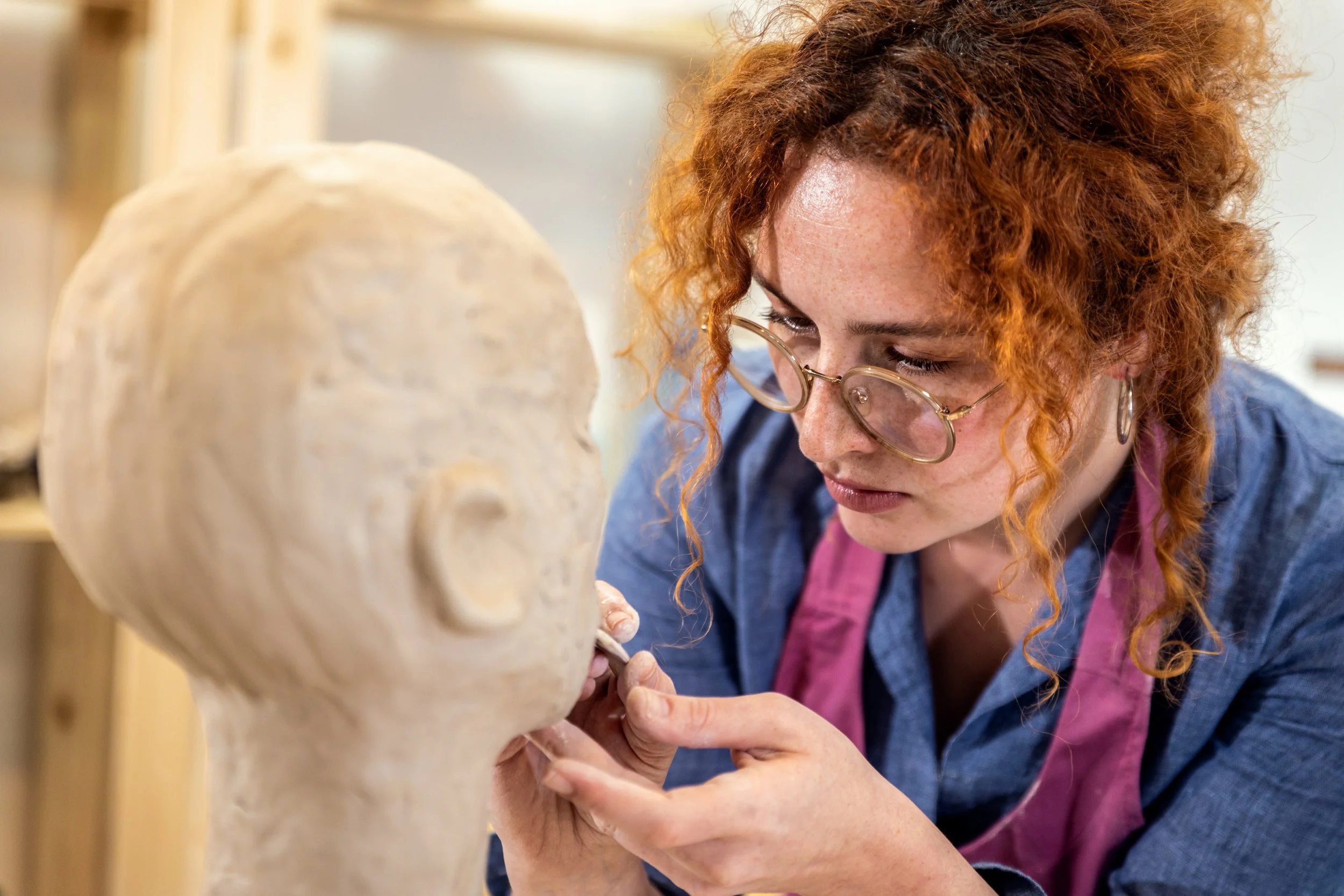
Every major technological shift seems to bring the same anxiety with it. Are we becoming less human?
We ask it about artificial intelligence. We asked it about the internet. Before that, we asked it about computers, factories, machines, calculators, printing presses, and probably every tool that changed the way people worked, learned, communicated, or created.
The fear is understandable. New tools disrupt old rhythms. They change what is valued. They alter the skills that feel essential. They create winners, losers, uncertainty, and a great deal of noise. But I think we sometimes begin the conversation in the wrong place. Using tools does not make us less human. Using tools is one of the things that makes us human.
Human beings have always been toolmakers. We shape objects to extend our reach. We create systems to carry our memory. We build instruments to strengthen our bodies, sharpen our senses, express ourselves, and expand our imagination. Our ancestors did not survive because they were the strongest creatures in every environment they entered. They survived because they could adapt. Tools allowed early humans to live beyond the limits of their bodies: to cut, cook, carry, build, hunt, sew, store, and shelter.
A stone blade could turn an animal hide into warmth. Fire could make food safer and more nourishing. A needle could help create fitted clothing, allowing people to survive in colder climates. These were not shortcuts around human ability. They were human ability expressed through imagination, need, and skill.
When early humans moved into new landscapes, they did not simply wait for their bodies to evolve into perfect conditions. They created ways to meet those conditions. That may be one of the most important things technology has always done for us, it helps human beings belong in places where our bare hands alone would not be enough. The Smithsonian notes that early humans used stone tools more than 2 million years ago to cut, pound, crush, and access new foods. Controlling fire changed diet and social life. Later humans developed clothing technologies such as perforated hides and fitted clothing with bone needles
A hammer does not make a carpenter less skilled. A telescope does not make an astronomer less curious. A wheelchair does not make someone less independent. A calculator does not make an accountant less intelligent. A paintbrush does not make an artist less creative.
Tools are not a departure from humanity. They are part of how humanity expresses itself. The question is not whether we will use tools. We always have. The better question is, what kind of people are we becoming as we use them?
That is where our current technology explosion becomes so important. Artificial intelligence, automation, data tools, and digital platforms are not just changing how we work. They are forcing us to examine what we believe human work is for.
If we believe people are valuable only because of their output, then every new tool becomes a threat. If a machine can produce faster, cheaper, or more efficiently, then the human person begins to look replaceable.
But if we believe people have inherent dignity, then tools become something different. They become support. They become leverage. They become access. They become a way to reduce drudgery, expand creativity, improve decision-making, and make room for more meaningful human contribution. That distinction matters.
A human-centered view of technology does not ask, “How can this replace people?” It asks, “How can this help people do work that is more thoughtful, more creative, more ethical, more relational, and more sustainable?” That question changes everything.
For leaders, this means we cannot treat technology adoption as a purely operational decision. It is also a cultural and ethical decision. The way an organization introduces new tools sends a message about how it sees its people.
Are employees being supported or surveilled?
Are they being developed or displaced?
Are they being invited into learning or shamed for not already knowing?
Are tools being used to create clarity or to increase pressure?
Are we making space for people to adapt, ask questions, and build confidence?
The tool itself is rarely the whole story. The culture around the tool matters just as much.
This is especially true with AI. AI can help us write, organize, summarize, analyze, brainstorm, and learn. It can make certain tasks faster and more accessible. It can give people a starting point when they are overwhelmed by a blank page or a complicated problem. That is not inherently dehumanizing. In many cases, it can be deeply humanizing.
It can help a small business owner express ideas they have carried for years but struggled to put into words. It can help a nonprofit leader make sense of limited resources. It can help a professional with ADHD organize scattered thoughts. It can help a caregiver save time. It can help someone who has been excluded from traditional systems gain access to knowledge, language, and tools they did not have before.
But technology can also be used carelessly. It can flatten nuance. It can reward speed over wisdom. It can make communication feel polished but empty. It can widen inequality when only some people are taught how to use it well. It can become another way to measure, monitor, and pressure people without ever asking whether the work itself is humane.
That is why the human question has to stay at the center.
Not “Can we use this?” But “Should we use this in this way?”
Not “How fast can we move?” But “Who is affected by this decision?”
Not “How much can we automate?” But “What must remain relational, thoughtful, and human?”
The danger is not that we use tools. The danger is that we forget tools are supposed to serve people. When tools become masters, people suffer. When efficiency becomes the highest good, dignity gets pushed aside. When every human interaction is optimized, measured, scripted, and automated, something essential begins to disappear.
But that is not a technology problem alone. That is a values problem. The answer is not to reject new tools out of fear. The answer is to become more intentional about how we use them.
We need leaders who understand that technology adoption is also people development. We need workplaces that teach instead of shame. We need cultures where learning a new tool is not treated as proof that someone is behind, but as part of what it means to grow. We need professionals who are willing to ask ethical questions, not just efficiency questions. And we need to remember that being human has never meant doing everything by hand, from scratch, without assistance.
Being human means imagining.
Adapting.
Creating.
Collaborating.
Solving problems.
Passing knowledge forward.
Building tools, then asking whether those tools are helping us become more fully ourselves. The current technology explosion is not the first time humanity has had to wrestle with change. It will not be the last. But maybe this moment is inviting us into a better conversation about not whether technology makes us less human. But whether we are brave enough, wise enough, and humane enough to use our tools in ways that honor the humans they are meant to serve.
Because tools do not define our humanity by themselves.
What we build with them does.